
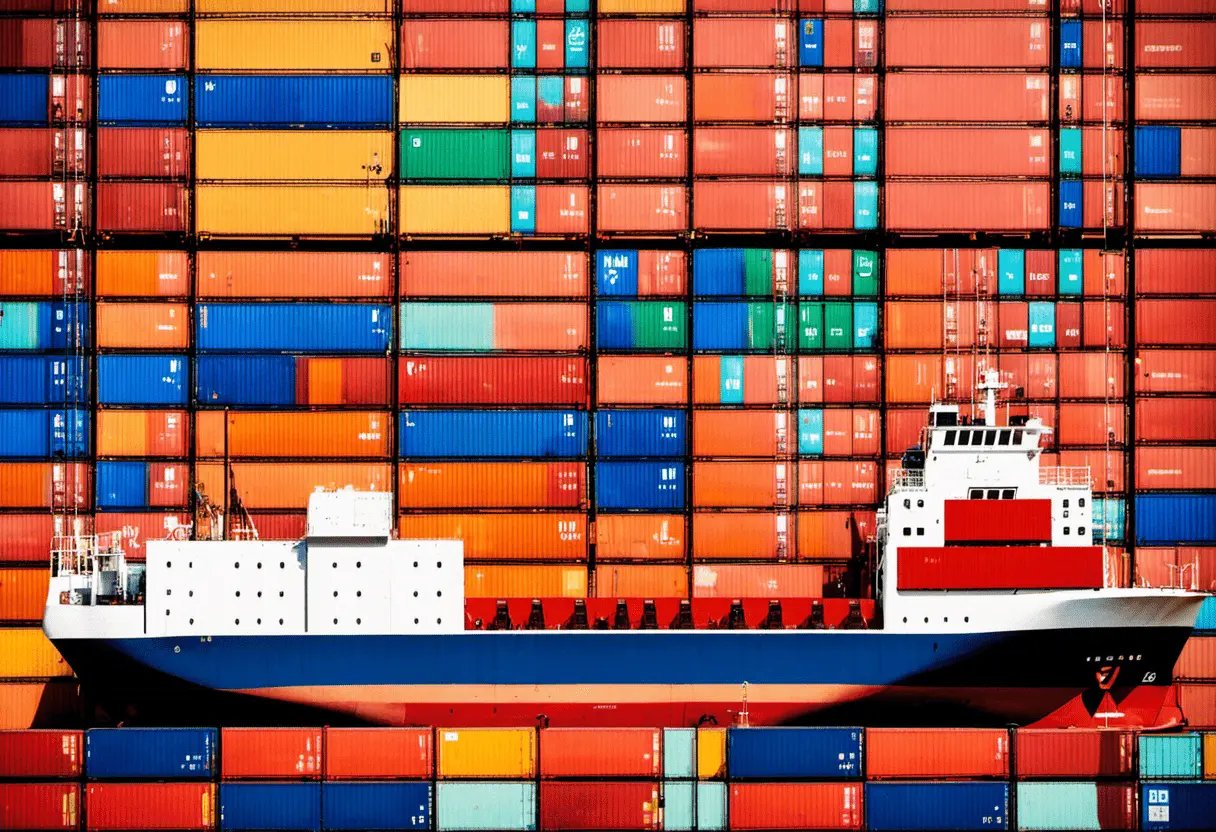
Virtualization enables multi-tenancy, and containerization takes it further. Containers allow many more service processes to run. Containers introduce another orchestration layer, calling for a platform of its own that can manage the lifecycle of thousands of containers. Because the container platform layer sits between the application and the operating system, releasing and operating containerized applications takes more work.
Kubernetes Cluster
Kubernetes has emerged as the de facto standard for container platforms. Building a Kubernetes cluster with a cloud service provider requires configuring a number of services to work together. A functional and scalable cluster is the foundation of a robust container platform. Make sure the Kubernetes cluster is well designed.
Kubernetes Storage
Kubernetes was designed around the idea that Pods and their attached storage volumes are ephemeral. Kubernetes now supports persistent storage, but there are many nuances to consider before choosing a CSI-based storage solution.
Kubernetes Networking
Containerization favors a microservice architecture. Cluster design requires choosing a CNI to enable Pod-to-pod communication. A container platform also needs to address application networking requirements using network policies, a service mesh, or similar technologies.
Cloud-Native Workloads
CNCF promotes its own ecosystem for cloud-native workloads. Teams that move their applications to a Kubernetes platform often have to reconsider the associated tooling. These teams need to thoroughly investigate the available cloud-native tools.
More on Container Platform
- Host legacy application in Docker 2 of 2 - My previous notes include some tricks in hosting legacy application in docker. This is a continuation from that work, after 1.5 months... Use Case I decided to use docker to host application for a good reason, and let me start with what this Java-based application does as a single process.…
- Host legacy application in Docker 1 of 2 - This is my notes from containerizing a legacy application with Docker compose. We have to run multiple instances of our application because we're unable to secure additional VMs for this single-VM education environment. The application is target of containerization, because it requires mass reconfiguration (around TCP port) to run multiple…
Contact Digi Hunch for Professional Services.